I did not grow up in galleries or cultured circles. I grew up in a farming community where practicality mattered more than poetry, and where art rarely took centre stage.
But art found its way in anyway.
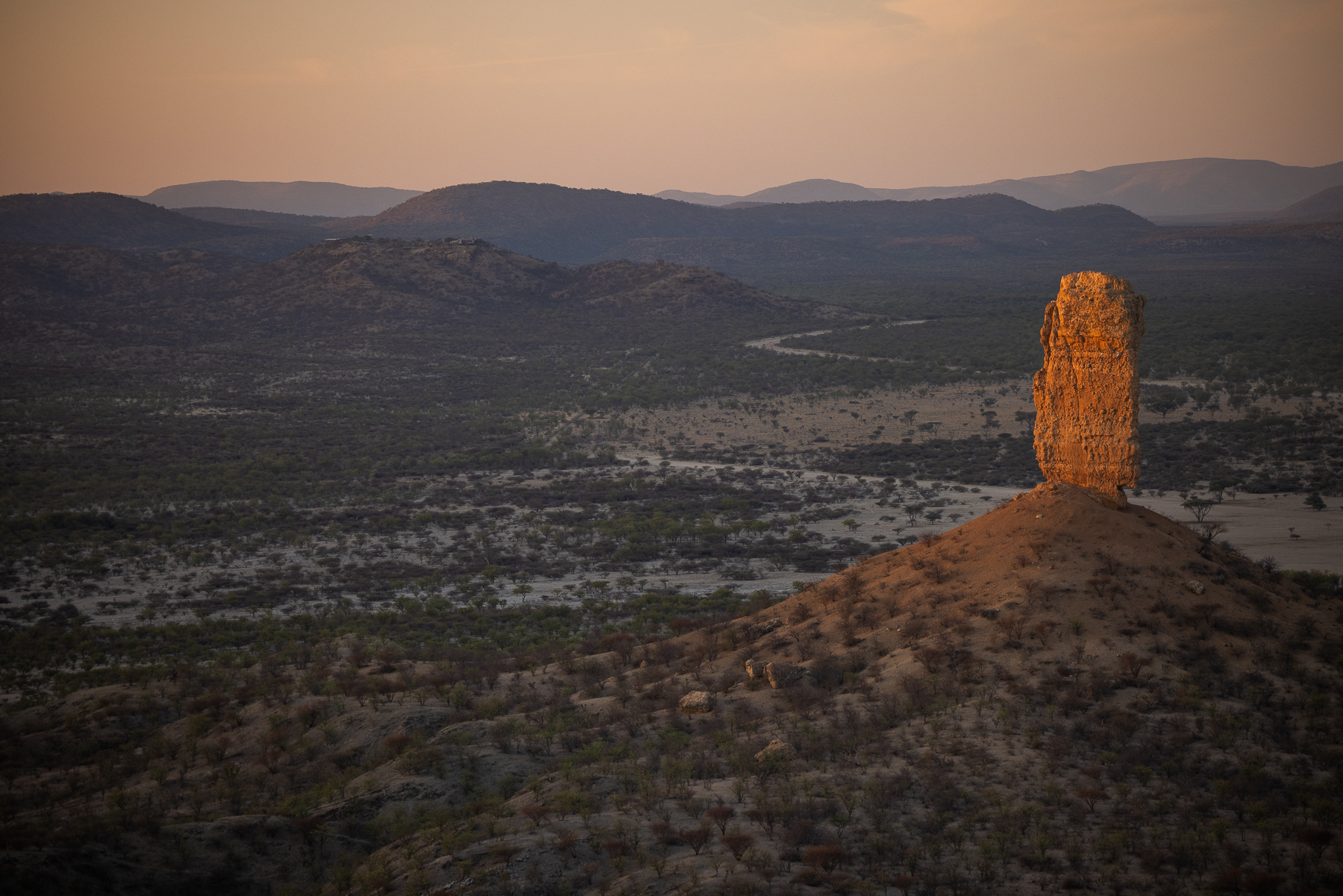
My father used to make tea trays from burnt matches — delicate patterns framing Namibian landscapes cut from old calendars. I knew those landscapes by heart. I studied them for hours. I knew the names of the photographers long before I understood what it meant to be one. I dreamt not only of taking photographs like that — but of standing where they stood.
Photography began for me at twelve, with a camera and very little talent to match it. Rolls of film produced mostly disappointment. Blurry. Overexposed. Entirely black. But somewhere in those frames was treasure. And I was determined to find it.
Years later, at the University of Stellenbosch, I discovered the work of Henri Cartier-Bresson. It was a turning point. Black and white was no longer just a style — it was a language. Documentary photography was no longer simply recording — it was meaning.
And Namibia began to change for me.
It Is Not About the Perfect Photo
Social media came, and with it, exposure. Suddenly the world’s landscapes were at my fingertips. Techniques. Gear. Presets. Trends. For a time, it was exhilarating.
And then it became noise.
Perfection curated for algorithms. Landscapes edited beyond recognition. Destinations reduced to reels measured in seconds.
That is not why I photograph Namibia.
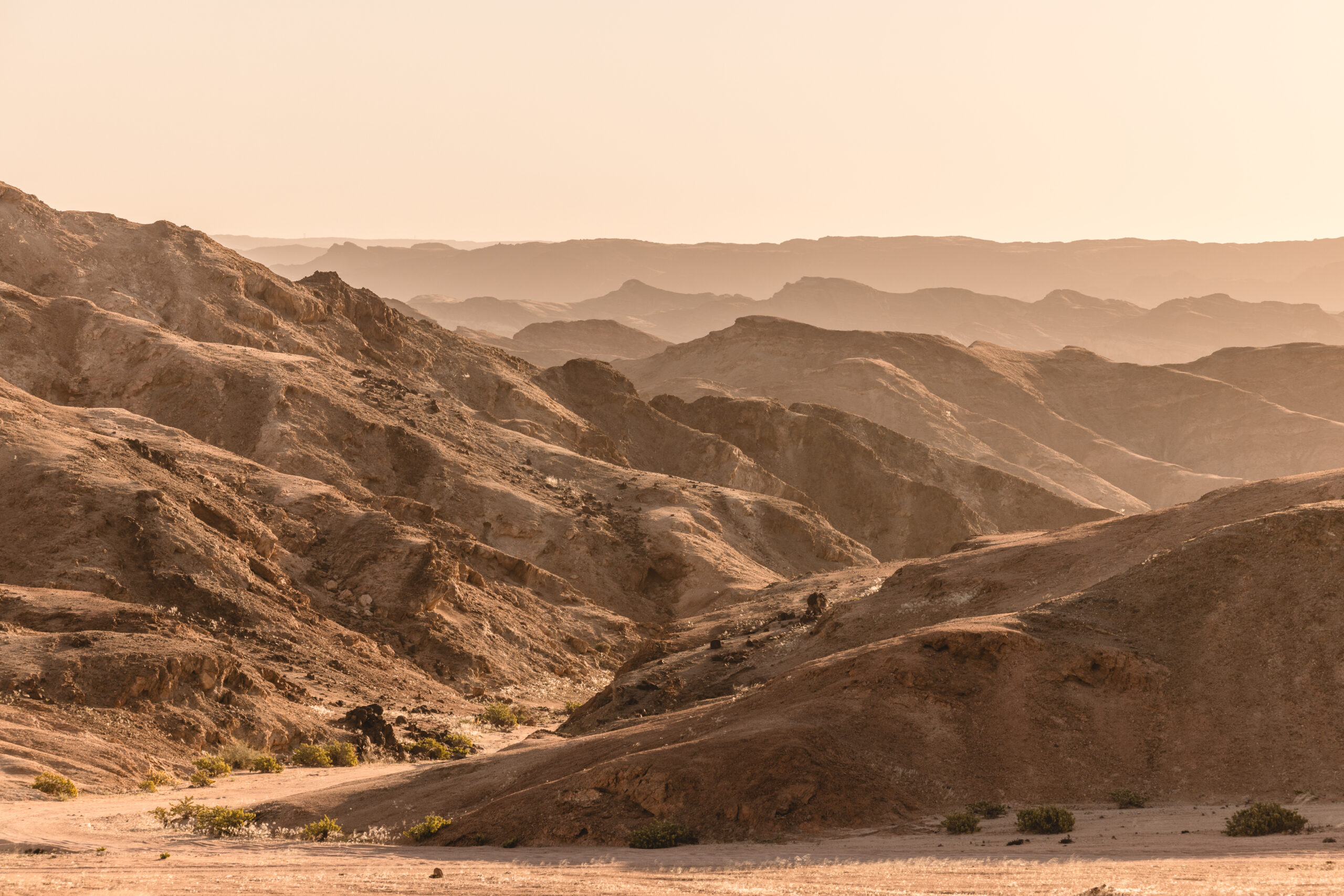
I do not want to give you a five-minute highlight reel. I want you to feel the sun scorching your skin. I want you to taste the dust after a vehicle stops along a gravel road. I want you to hear the silence — the kind that hums in your ears when you stand still long enough.
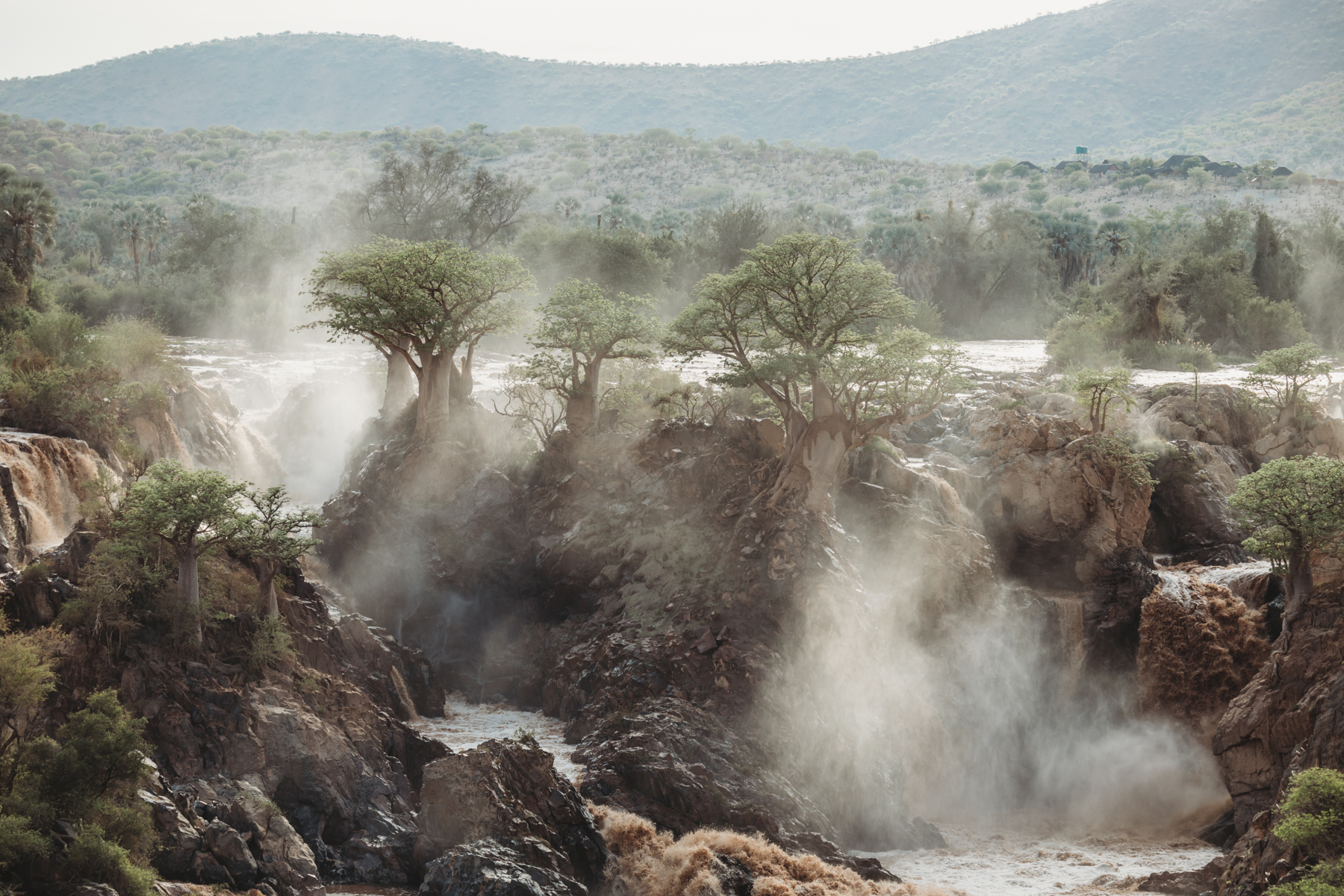
When I photograph Epupa Falls, I want you to feel the spray in the air and the power beneath your feet — not just admire the composition.
Namibia is not a checklist. It is not a trophy image.
It is an experience.
The Journey Matters
My years in tourism — from customer service to lodge management — shaped the way I see travellers. I have seen disappointment when expectations were built on filtered promises. And I have seen tears of joy when someone truly understood this country.
My late uncle, Koos Verwey, taught me something far more valuable than composition or exposure. He taught me that eco-tourism is not scenery — it is respect. Respect for the land. Respect for the people who live from it.
It is one thing to learn about a plant from a guidebook. It is another to learn from someone whose grandfather used it as medicine.
That is Namibia.
Not spectacle — but story.
Why Black and White?
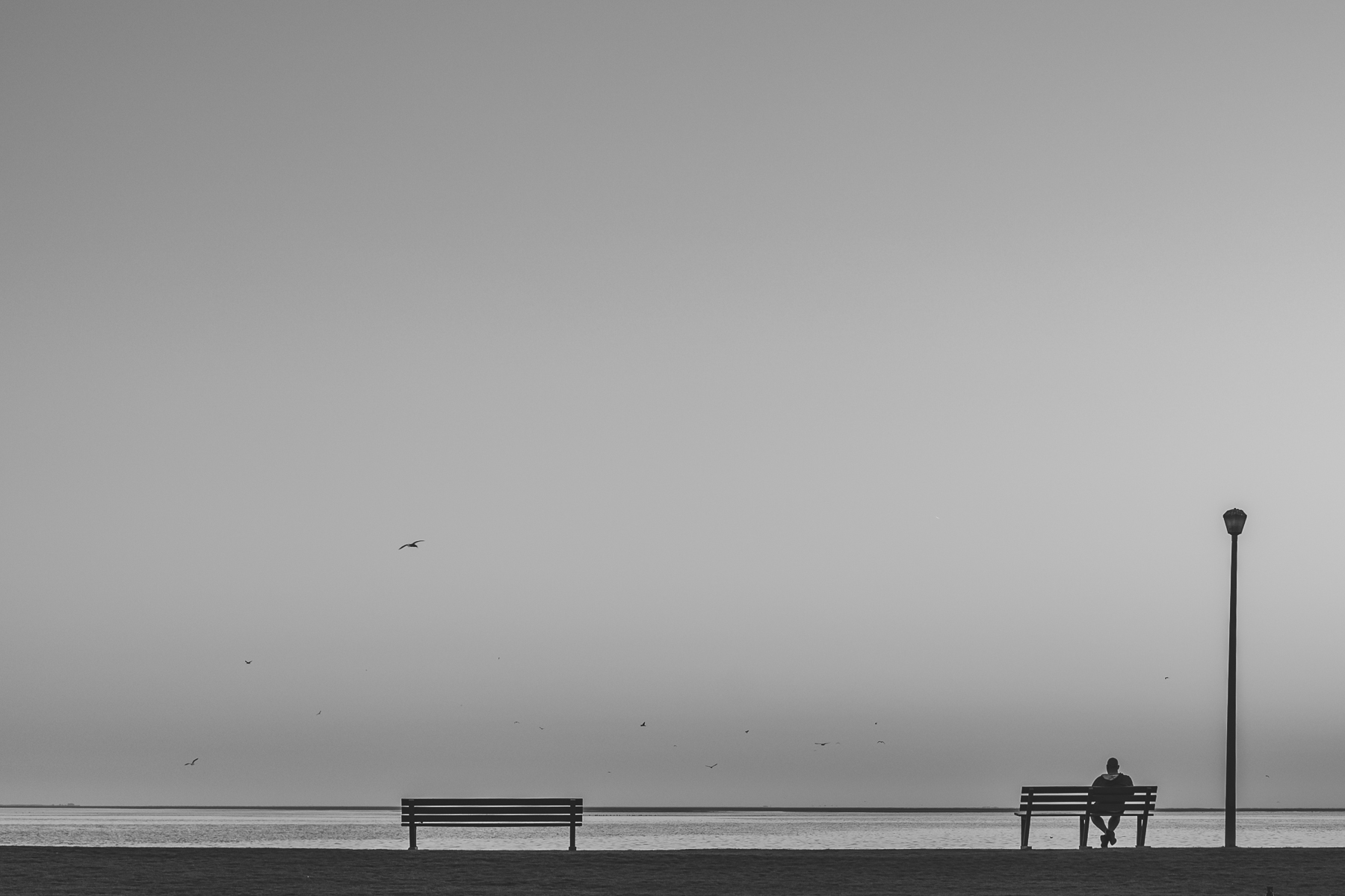
Black and white photography strips away the distraction. It removes the noise. It leaves form, light, shadow — and emotion.
When I remove colour, I see more clearly.
I see negative space. I see silence. I see the breath between moments.
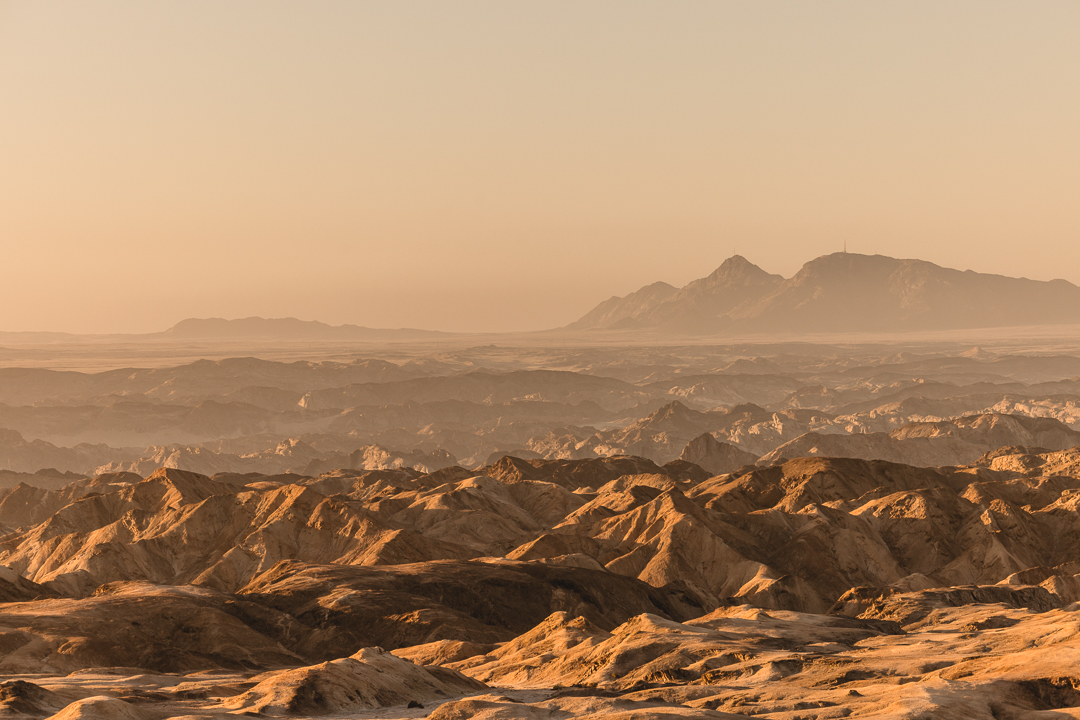
Namibia lends itself to that quiet minimalism. The mist along the coast. The vast plains. The stillness between wind gusts. It is a country that does not need embellishment.
It needs honesty.
What I Hope You See
I have hundreds of landscape photographs. Many will never be shown. Some were practice. Some were noise. Some were necessary steps in finding my voice.
The images I share now are different.
They are quieter. Simpler. Sometimes almost abstract.
They are not created to compete.
They are created to connect.
If, when you look at one of my photographs, you can see yourself standing there — if you can almost hear the wind or feel the heat — then I have succeeded.
Because I do not photograph Namibia to impress you.
I photograph Namibia so that you may understand it.
Welcome to Namibia.